
Loading...
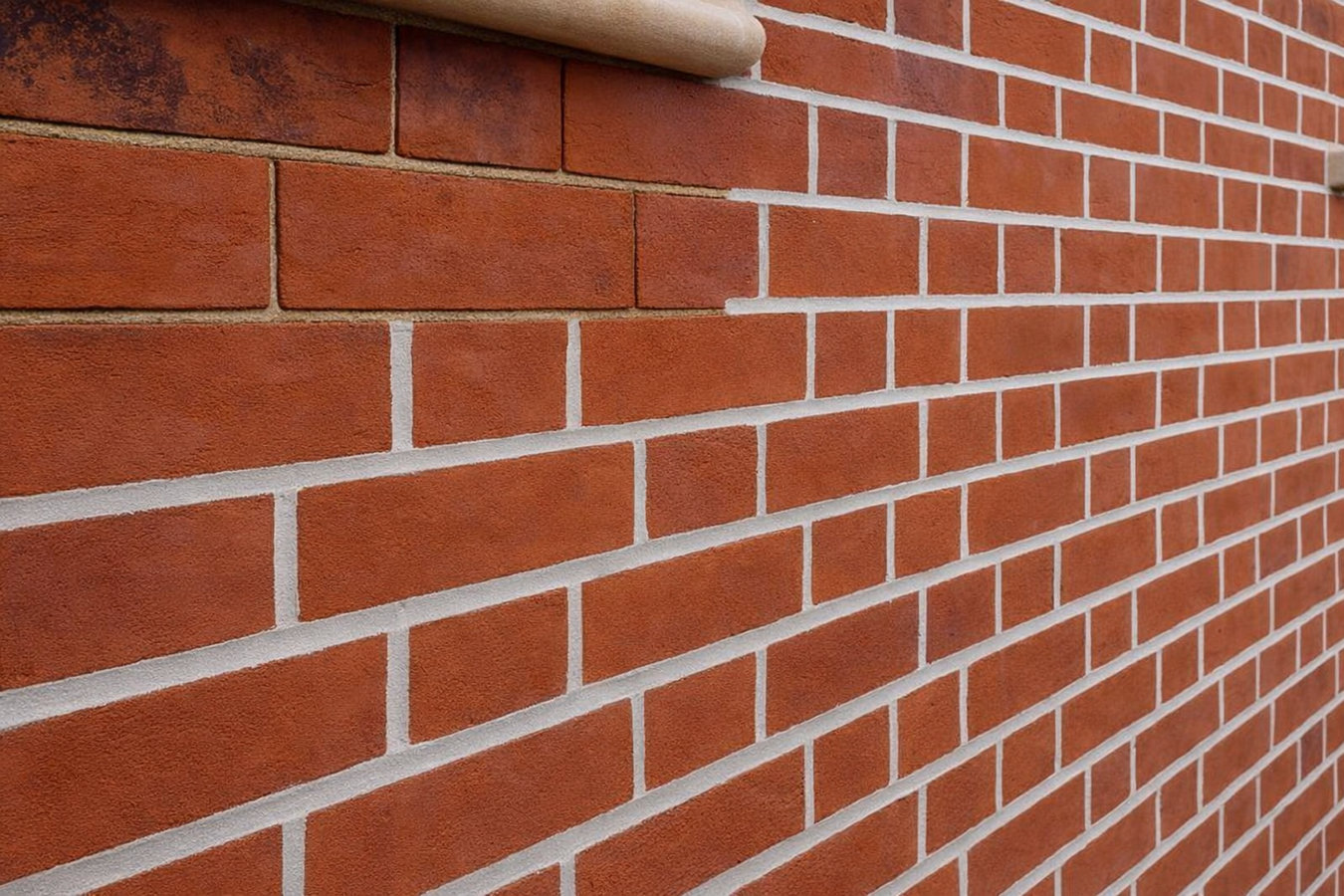
Crumbling mortar is not just cosmetic. When the joints between your bricks fail, water gets in - and Pomona's winter rain season follows a summer that has been drying and cracking those joints all year. We remove the old mortar properly and replace it with a mix that bonds to solid brick and lasts decades.
Brick pointing in Pomona is the process of removing crumbling mortar from the joints between bricks and replacing it with fresh material, with most repair jobs taking one day to one week depending on the size of the wall or chimney. The mortar is the gray or tan material you see in the lines between the bricks - it holds everything together and keeps water out, and like caulk around a bathtub, it breaks down over time and needs to be renewed.
Many Pomona homeowners reach out after noticing powdery white stains spreading across brick after winter rain, or mortar that crumbles when pressed. A large share of homes in Pomona's established neighborhoods were built between the 1920s and 1960s, and mortar from that era has had 60 to 100 years to weather - much of it is well past its useful life even when the bricks themselves look solid. If the broader masonry on your home also needs attention, our masonry restoration service covers more extensive structural repairs to walls and chimneys that have deteriorated beyond a simple repoint.
Walk up to a brick wall, chimney, or garden planter and press your thumb into one of the mortar joints. If the material crumbles, flakes off, or feels sandy rather than solid, the mortar has broken down. In Pomona's older neighborhoods, it is surprisingly common on walls that look fine from a distance.
White streaks or powdery patches on brick are caused by water moving through the wall and carrying dissolved minerals to the surface. In Pomona, this often appears after the winter rain season, especially on north-facing walls that stay damp longer. Failed mortar joints are the most common entry point for that moisture.
Stand back and look at your brick wall in good daylight. If you can see dark lines, gaps, or cracks running along the joints between bricks - rather than through the bricks themselves - that is mortar failure. A gap wide enough to fit a credit card lets water in during a hard rain.
If you notice a damp or musty smell near your fireplace, or see dark staining on the firebox walls or ceiling above the mantel, water may be entering through deteriorated chimney mortar. Pomona's summer heat dries out chimney mortar faster than most homeowners realize, and the first winter rain can push water straight through gaps that opened up over the dry season.
Every repointing job starts with removing the deteriorated mortar to the correct depth - typically three-quarters of an inch - before any new material goes in. Smearing new mortar over old, crumbling material is one of the most common shortcuts in the trade, and it fails within a year or two because the new mortar has nothing solid to bond to. We grind or chisel out the old material first, then pack fresh mortar in by hand and tool the joints so they sit flush and clean against the brick face. For homes built before 1970 in Pomona, we test the existing mortar hardness and mix a replacement that is compatible with the original - using a harder modern mix on older brick causes the brick faces to crack and spall over time. The Brick Industry Association publishes the technical standards governing how mortar should be matched to brick age and type - guidance our work follows on every older Pomona home.
We also address efflorescence staining that appears after repointing seals the moisture entry points, and we handle foundation repair assessments where failing mortar near the base of a wall raises questions about what is happening below grade.
Suited to homeowners whose chimney mortar has cracked or fallen out after years of heat cycling and seismic activity in the Pomona area.
Ideal for homeowners with older Pomona homes where mortar on brick garden walls or exterior features has reached the end of its service life.
Best for homeowners who want to restore brick planters, low retaining borders, or decorative masonry features without full demolition and rebuild.
Pomona averages only about 16 inches of rain per year, so homeowners sometimes assume water damage is not a real concern. But when rain does arrive - often in concentrated bursts between November and March - it hits walls that have been baking and cracking all summer. Pomona sits in the Inland Valley where temperatures regularly exceed 95 degrees Fahrenheit and can push past 105 during heat events. That repeated heating and cooling causes mortar to expand and contract over decades, which gradually loosens its grip on the brick. Homeowners here see mortar deterioration faster than those in cooler coastal cities - and the first storm of the season tends to expose every gap that formed during the dry months. Southern California's seismic activity adds another layer of concern: crumbling mortar reduces a wall's ability to hold together during ground movement, which makes sound joints a structural issue as well as a water issue.
We work across the region. Homeowners in Ontario and Chino face the same Inland Valley heat cycles and clay soils as Pomona, and the mortar compatibility testing and depth of removal we bring to every job is consistent regardless of neighborhood.
We respond within 1 business day. Tell us what type of structure needs work - chimney, exterior wall, garden wall - roughly how large the area is, and how long you have noticed the problem. Most contractors in the Pomona area schedule a free on-site estimate within a few days.
The mason walks the wall or chimney with you and checks how deep the damage goes, whether the bricks themselves are sound, and whether the existing mortar requires a special replacement mix. This visit takes about 20 to 45 minutes. You receive a written quote that breaks down scope and price.
Once you approve the quote, we set a start date. Before work begins, move furniture, planters, or vehicles away from the work zone and trim back any plants growing close to the wall. We lay drop cloths to catch mortar dust - clearing the area yourself makes the job go faster.
We grind out the old mortar, pack in fresh material by hand, and tool the joints for a clean finish. Fresh mortar needs 24 to 48 hours before it gets wet and up to 28 days to reach full strength. In Pomona's warm weather, the surface may look dry within hours - but avoid pressure washing or heavy watering near the repair for about a month.
We walk the wall with you, explain exactly what needs to be done, and give you a written quote with no obligation - so you can decide clearly before rain season arrives.
The most important quality check in any repointing job is whether the old mortar is actually removed before new mortar is applied. Smearing new over old fails within a year or two. We grind or chisel to the correct depth on every job so the new mortar bonds to solid brick, not to crumbling material underneath. It takes more time, but it is the only way the repair lasts.
Older Pomona homes built before 1970 were often constructed with softer, lime-based mortar. Using modern hard mortar as a replacement on those walls causes the brick faces to crack and spall over time. We test the existing mortar hardness and formulate a compatible replacement - the approach the Brick Industry Association recommends for historic and pre-1970 masonry.
In California, any contractor doing masonry work for a fee must hold a valid state license from the California Contractors State License Board. You can look up any contractor's license number, status, and insurance on the CSLB website in about 60 seconds. We carry a current license and can provide it upfront - before you sign anything.
Pomona's dry summer heat cracks mortar, and the first November storm hits walls that have been weakening all season. We help homeowners get repairs on the schedule in late summer and fall specifically because closing those gaps before rain arrives is the most effective way to prevent water from entering the wall. A repair done in October protects you all winter.
Pomona's combination of old housing stock, Inland Valley heat cycles, and seasonal rain makes brick pointing one of the most time-sensitive repairs a homeowner can make. We do the removal correctly, match the mortar to the wall's age, and get the job done before your next wet season turns a small repair into a larger one.
Structural repairs to foundations and footings when failing mortar near grade level points to deeper settlement or water infiltration issues.
Learn MoreFull structural repairs to walls, chimneys, and features that have deteriorated beyond what a repoint alone can address.
Learn MoreMortar that is crumbling now will let water in when November hits - call or request a free estimate today and close those gaps before the first storm of the season.