Loading...
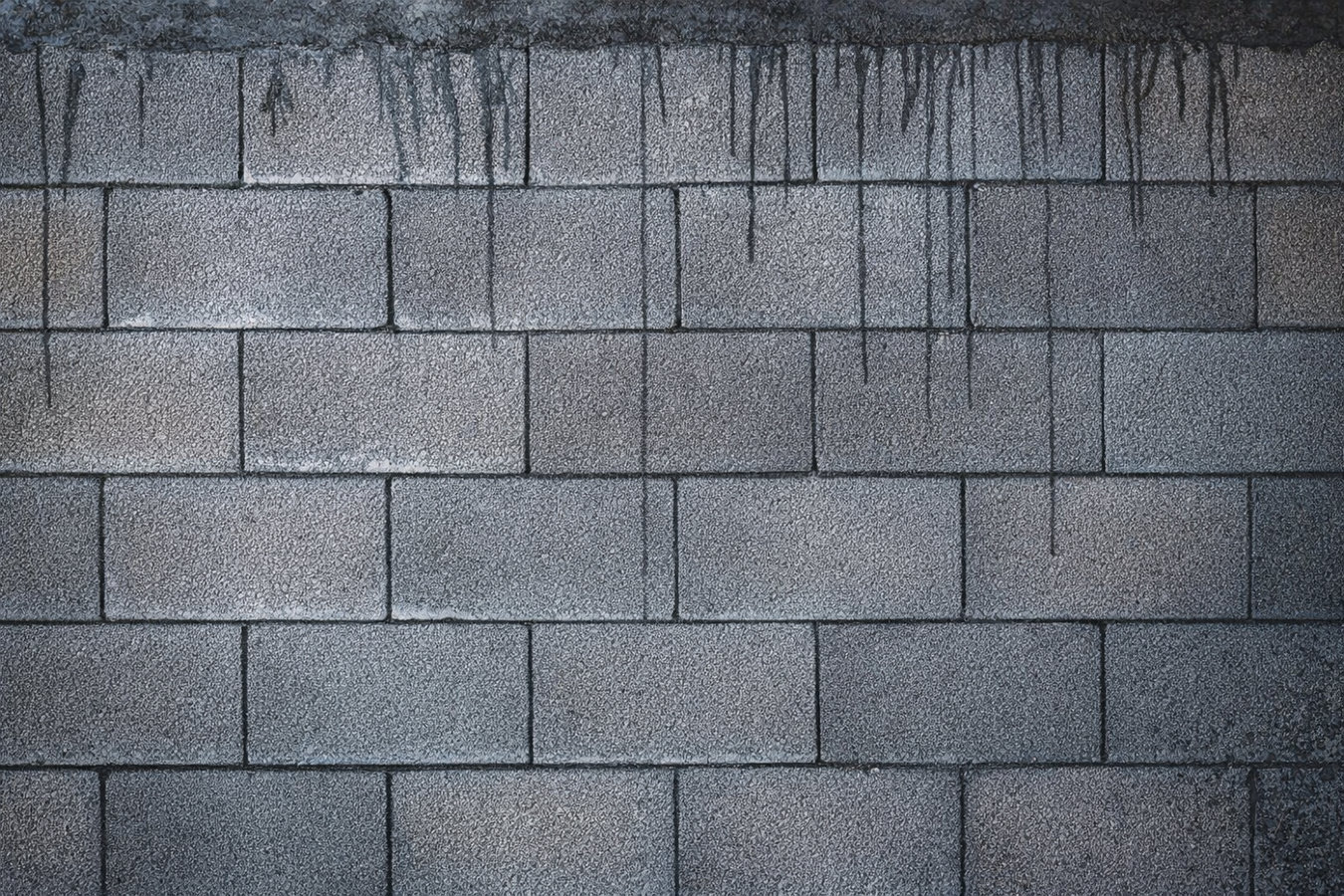
Pomona's clay soils and earthquake risk mean a block wall needs more than stacked blocks. Our crew builds properly reinforced, fully permitted boundary walls, garden walls, and retaining walls that handle what the ground here actually does.
Concrete block wall construction in Pomona covers everything from simple garden and boundary walls to reinforced retaining walls on sloped lots, with a standard residential job of 30 to 50 linear feet typically taking two to four days of actual construction once the permit is approved. The process starts with a concrete footing dug below grade, followed by block laying in overlapping rows with mortar joints, and - for taller walls - steel rebar through the block cores filled with concrete as required by local building code.
Block walls are one of the most common masonry structures in Pomona because they are durable, low-maintenance, and handle the area's conditions well when built correctly. Many homeowners add them when putting in a pool, an ADU, or a raised planting area that needs a solid boundary. They also combine well with retaining wall construction on properties with significant grade changes, where the structural work and the finish surface are planned together from the start.
Stand at one end of your wall and look down its length - it should be a straight line. A wall that curves outward, leans to one side, or has sections pushing forward is under structural stress. In Pomona's clay-heavy soil, this kind of movement often happens gradually over years and then accelerates, so a wall that looks slightly off today may be significantly worse by next season.
Small hairline cracks in mortar are normal over time, but diagonal cracks that run from a corner or opening and widen as they go suggest the footing has shifted or settled unevenly. This is a common finding in older Pomona homes where original footings were poured without accounting for the area's expansive clay soils. A crack you can fit a finger into needs professional attention.
Wet patches on the face of a retaining wall, or water collecting at the base after Pomona's winter rains, signal that drainage behind the wall is not working. Over time, that trapped water pressure will push the wall outward. This is one of the most preventable causes of wall failure, and catching it early costs far less than a full rebuild.
Many Pomona homeowners adding a pool, ADU, or backyard improvement need a new wall to define a grade change, provide privacy, or meet setback requirements. If your project involves any change in ground level, a properly built block wall is usually the right structural solution to plan from the beginning.
Our concrete block work covers new wall construction, wall rebuilds, and finish work on existing block structures. For new builds, we handle the full sequence: trench and footing, block laying with mortar, steel reinforcement through the cores, and inspection coordination with the City of Pomona. We also apply stucco or paint finishes when a homeowner wants the wall to blend with the surrounding architecture rather than show the raw block face. Retaining walls on sloped properties get drainage pipes or gravel backfill behind the wall so water pressure does not build up over time.
Block walls connect naturally to other masonry projects. If you are finishing a block wall surface with decorative stone, we can add a foundation block wall installation or coordinate the block structure with a stone veneer finish in a single project scope. Homeowners building an outdoor living space often combine a block perimeter wall with other masonry elements - keeping the whole project under one contractor simplifies scheduling and keeps the finish consistent.
Best for homeowners who need a clean, durable property edge, planting border, or privacy barrier on a flat lot.
Suited to sloped yards or raised planting areas where the wall must hold back soil and manage water pressure year-round.
For existing block walls that are leaning, cracking, or have drainage problems that have made patching no longer viable.
Much of Pomona sits on clay-heavy soil that swells when it gets wet and shrinks when it dries. That seasonal movement puts stress on wall footings in ways that do not show up in cities with more stable sandy soil. A contractor who knows local conditions will dig a deeper, wider footing and may add a compacted gravel base underneath to cushion the movement. Pomona also sits near the Chino and Cucamonga fault systems, which means local building codes require steel rebar through the block cores for walls above a certain height - this is not optional, and a city inspector will check for it. The Portland Cement Association and International Masonry Institute both publish guidance on proper block wall construction techniques for seismically active regions.
Pomona's housing stock also includes a large share of homes from the 1940s through 1970s, many of which have original block walls now reaching the end of their useful life. We serve homeowners across the region, including Ontario and Montclair, where the same Inland Valley soil and seismic conditions apply. Our site visits include a look at any existing walls on the property so you know what else might need attention before you invest in new construction.
We respond within 1 business day. A few basic questions - what you need to build, how long or tall, and whether there is a slope involved - help us prepare before we visit. No honest contractor can give you a real number without walking the site first.
After the site visit, you receive a written estimate that breaks down labor, materials, and permit fees separately. In Pomona, most walls over three feet tall require a city permit - we tell you upfront whether your project needs one and handle the application for you.
Once the permit is approved, we dig the trench and pour the footing - typically dug deeper than in other regions to account for Pomona's clay soil. Block laying begins after the footing cures. The city inspector visits to check the footing and the finished wall; we coordinate both visits.
After the inspector signs off, we clean up the site and backfill disturbed soil. Stucco or paint finishes happen now if you have chosen one. We walk the finished wall with you before leaving - point out anything that concerns you, because it is much easier to address before the crew packs up.
Free on-site estimate, no obligation. We handle permits and city inspections from start to finish.
We dig deeper and wider footings than contractors using a one-size approach, and recommend a compacted gravel base when soil conditions call for it. This is the step that determines whether your wall is still standing in 20 years or starts cracking in three.
Any wall above the height threshold gets vertical rebar through the block cores, filled with concrete - as required by local building codes for this seismic zone. We do not skip this step, and the city inspector will confirm it was done during the inspection.
We submit applications to the City of Pomona Building and Safety Division, coordinate inspector visits, and deliver a fully permitted, documented finished wall. You will not get a surprise notice asking for permits after the fact.
Every retaining wall we build includes gravel backfill and drainage pipe behind the wall so water from Pomona's wet winters has a path out instead of building pressure against the blocks. This is not an add-on - it is standard practice on every sloped job.
A block wall is a long-term investment in your property. The decisions made at the footing and reinforcement stages - the parts you never see once the wall is finished - determine whether it holds up. We do those parts right the first time, because that is the only way to stand behind the work.
For masonry construction standards and best practices, the Masonry Contractors Association of America is a reliable industry reference.
Below-grade block wall systems for foundations and stem walls, built to Pomona's seismic standards and clay soil conditions.
Learn MoreEngineered retaining walls for sloped Pomona lots with drainage systems that prevent water pressure from building up behind the wall.
Learn MorePermit season fills up fast - locking in your start date now means your wall is built and inspected before summer heat sets in.