
Paver Walkways & Driveways
Durable, beautiful paver installations that handle daily traffic while boosting your home's curb appeal.
(909) 729-4093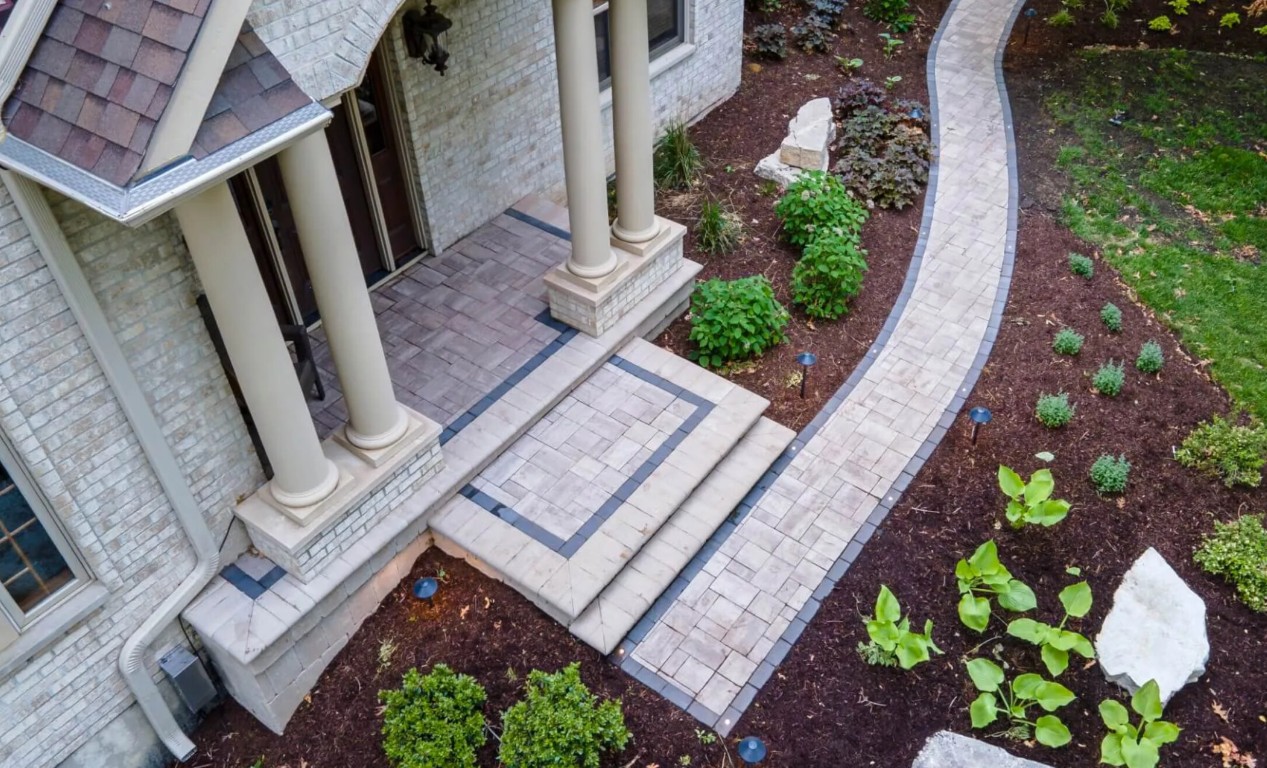
Proper Drainage Solutions for Long-Lasting Hardscapes
The secret to paver walkways and driveways that last 30 years or more? Proper drainage. Water is the number one enemy of any hardscape. If water pools on your pavers or seeps underneath them, you are looking at eventual settling, shifting, and damage. We have seen too many beautiful paver installations fail because someone skipped the drainage work.
Here is what proper drainage looks like. First, we grade your base so water flows away from your house and off your pavers. This usually means a slope of about one percent. You cannot see it with your eye, but it is enough to keep water moving. We also make sure downspouts and gutters direct water away from your paver areas.
For driveways, we often install edge drains along the sides to catch runoff. For walkways near planting beds, we create borders that prevent soil from washing onto your pavers. If you have a low spot where water naturally collects, we might add a catch basin and drainage pipe to direct it to the street or a dry well.
The base layers matter too. We use crushed rock that drains well, not soil or decomposed granite that holds water. We compact it in lifts to create a solid foundation that will not settle. Then we add a layer of bedding sand that locks pavers in place. All these steps work together to keep water moving through and away from your installation.
Good drainage also protects your home's foundation. When walkways and driveways slope toward your house instead of away from it, water seeps into your foundation and causes cracks, settling, and moisture problems inside. We make sure every project directs water safely away from structures. This is especially important for our work in Pomona where heavy winter rains test every drainage system.
Choosing the Right Pavers for Your Project
Material Options That Fit Your Needs
Not all pavers are created equal. The right choice depends on where you are installing them and how they will be used. Driveways need to handle vehicle weight. Walkways need slip resistance. Pool decks need to stay cool. Let's break down your options.
Concrete pavers are the most popular choice for both walkways and driveways. They come in endless colors, shapes, and patterns. Modern manufacturing makes them incredibly strong and durable. They are also the most affordable option, which matters when you are covering a large driveway. Quality concrete pavers can handle vehicle traffic for decades without cracking.
- Concrete Pavers: Versatile, affordable, available in hundreds of styles. Perfect for driveways and walkways.
- Clay Brick Pavers: Traditional look with rich color that never fades. Great for walkways and classic home styles.
- Natural Stone Pavers: Unique beauty with organic colors and textures. Premium choice for high-end walkways.
- Permeable Pavers: Special design allows water to drain through, reducing runoff. Increasingly popular for environmental reasons.
- Travertine: Smooth limestone that stays cool in heat. Ideal for pool decks and patio areas.
We help you balance looks, performance, and budget. Sometimes mixing materials creates great results. Maybe concrete pavers for your driveway with a brick border for visual interest. Or natural stone for walkways leading to a concrete paver patio. We show you samples and explain the pros and cons of each option for your specific situation.
Our Installation Process for Lasting Results
Professional paver installation is part excavation work, part engineering, and part artistry. We follow strict industry standards while adding our own quality touches that make installations last longer and look better.
We start by excavating to the proper depth. For walkways, that is usually 8 to 10 inches. Driveways need 12 inches or more because they have to support vehicles. We make sure edges are clean and the subgrade is properly sloped. Then we compact the soil to prevent future settling.
Next comes the base layer of crushed rock. We spread it in two or three lifts, compacting each layer thoroughly with a plate compactor or roller. This creates a rock-solid foundation. Proper compaction at this stage prevents pavers from sinking or shifting later. We check grade and slope constantly to ensure proper drainage.
Then we install edge restraints to keep pavers from creeping outward over time. We add a layer of bedding sand, screed it perfectly level, and start laying pavers. For driveways, we often create a herringbone pattern because it distributes weight better than other layouts. For walkways, we might use running bond, basket weave, or circular patterns depending on your style preference.
Finally, we sweep polymeric sand into the joints between pavers and compact everything with a plate compactor. The sand locks pavers together and prevents weeds from growing through. We clean everything thoroughly and seal the pavers if you want extra protection and color enhancement. The result is a beautiful, durable surface that requires almost no maintenance. Similar care goes into all our work, just like our retaining wall installations.
Frequently Asked Questions About Paver Installation
Ready to Upgrade Your Walkways or Driveway?
Call us today for a free estimate. We will visit your property, take measurements, and show you material options.
Call (909) 729-4093