Retaining Wall Design & Installation
We design and build durable retaining walls that prevent soil erosion, create level spaces, and enhance your property's beauty.
Call (909) 729-4093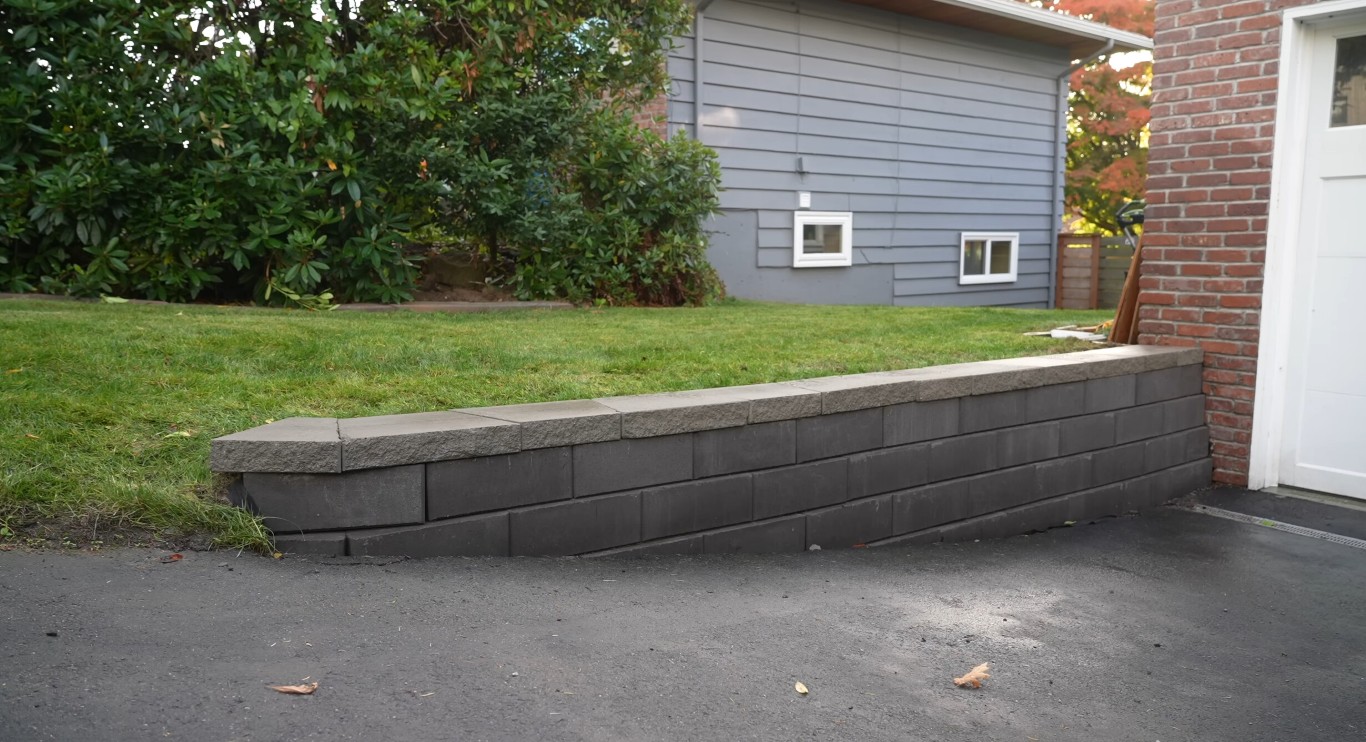
Understanding Retaining Wall Benefits
Sloped yards present real challenges for Pomona homeowners. Soil slides downhill during rains, grass won't grow on steep grades, and you lose usable outdoor space. A properly designed retaining wall solves these problems while adding value and beauty to your property.
Professional retaining walls do more than just hold back dirt. They create level terraces for gardens, patios, and play areas. They protect foundations from soil pressure and water runoff. They prevent erosion that can undermine driveways, sidewalks, and structures.
Common Retaining Wall Applications
- •Creating level areas for patios, gardens, or outdoor living spaces on sloped lots
- •Preventing soil erosion that threatens driveways, foundations, or neighboring properties
- •Managing water runoff to prevent flooding and drainage problems
- •Building raised planting beds with proper drainage and accessibility
- •Adding visual interest and defining different zones in your landscape
The right retaining wall transforms problem slopes into functional, attractive outdoor spaces. We've helped countless Pomona homeowners reclaim their yards and protect their investments with well-designed retaining walls that last decades.
What Goes Into Retaining Wall Design
A retaining wall isn't just a stack of blocks or stones. It's an engineered structure that must withstand tremendous pressure from soil, water, and gravity. Poor design leads to walls that lean, crack, or collapse. That's why we start every project with careful planning.
Key Design Factors
Wall height determines the design approach. Walls under four feet can often use simpler construction methods. Taller walls need deeper footings, reinforcement, and often engineering certification to meet local building codes. We handle all the permit requirements and engineering details so you don't have to worry about compliance.
Soil type affects everything about your wall design. Clay soil holds water and creates more pressure. Sandy soil drains better but may need different footing approaches. We test your soil and design accordingly, ensuring your wall can handle the specific conditions in your yard.
Drainage is absolutely critical. Water buildup behind retaining walls creates pressure that can destroy even well-built structures. We install proper drainage systems including weep holes, drainage pipes, and gravel backfill that channel water away safely. This attention to drainage is what separates walls that last from walls that fail.
Material Selection
We offer various retaining wall materials to match your aesthetic preferences and budget. Natural stone creates timeless beauty that complements Pomona's historic neighborhoods. Concrete block systems provide strength and versatility with many color and texture options. Brick walls offer classic elegance that coordinates with existing brick masonry on your home. Each material has advantages, and we help you choose the best option for your specific situation.
How We Build Retaining Walls That Last
Quality installation makes the difference between a wall that serves you for decades and one that fails within years. We follow proven construction methods that ensure structural integrity and longevity.
Step One: Site Preparation
We start by excavating the area and creating a level base. The foundation must be solid and properly compacted. For taller walls, we dig below the frost line to prevent frost heave. We also identify and work around any underground utilities before excavation begins.
The base layer typically consists of compacted gravel that provides drainage and a stable foundation. This base is absolutely critical because any settling will compromise the entire wall. We take time to get this step right, even though you'll never see this work once the wall is complete.
Step Two: Wall Construction
We build walls level and plumb, checking constantly as we work. Each course must be properly positioned and secured. For segmental block walls, we use pins or adhesive as specified by the manufacturer. For stone or brick walls, we use appropriate mortar that allows proper drainage while maintaining strength.
Many retaining walls benefit from a slight backward lean, called batter. This design naturally resists soil pressure and improves stability. We engineer the appropriate batter angle based on your wall height and soil conditions.
Step Three: Drainage Installation
Behind your wall, we install drainage pipes and gravel backfill that channel water away. Weep holes allow water to escape at the base. This drainage system prevents water pressure buildup that could damage your wall. Similar attention to water management benefits our outdoor kitchen and fireplace installations too.
After backfilling, we compact the soil in layers to prevent settling. Finally, we grade the area to direct surface water away from the wall. These finishing touches ensure your wall performs as designed for many years to come.
When Retaining Walls Need Repair or Replacement
Even well-built retaining walls can develop problems over time. Catching issues early allows for repairs rather than complete replacement. Here's what to watch for.
Critical Warning Signs
Tilting or leaning is the most serious warning sign. Any wall that's noticeably leaning outward is failing and needs immediate attention. This indicates the soil pressure is overwhelming the wall's capacity. Don't ignore this problem because failing walls can collapse suddenly, especially after heavy rain.
Cracks wider than a quarter inch suggest structural movement. While small hairline cracks may be cosmetic, wider cracks indicate the wall is under stress. Horizontal cracks near the top or bottom are particularly concerning because they often precede failure.
Bulging sections show that soil pressure is pushing the wall outward. This often happens when drainage systems fail or weren't installed properly. Water builds up behind the wall, creating pressure that deforms the structure.
Repair vs. Replace Decisions
Minor issues like loose cap stones, small cracks, or drainage problems can often be repaired. We rebuild damaged sections, improve drainage, and reinforce walls when possible. Repairs cost much less than replacement and can extend your wall's life significantly.
However, walls with serious structural problems, extensive cracking, or significant leaning usually need replacement. Trying to patch a fundamentally failed wall wastes money. We give you honest assessments about whether repair or replacement makes sense. During your free consultation, we explain what we found, why problems occurred, and what solutions will work long-term. This same thorough approach applies to all our services, from tuckpointing work to complete masonry rebuilds.
Frequently Asked Questions
Ready to Design Your Retaining Wall?
Get a free consultation and estimate from Pomona's retaining wall experts.
Call (909) 729-4093