
Tuckpointing & Repointing Services
We restore and replace deteriorated mortar joints to protect your brickwork and prevent expensive water damage.
Call (909) 729-4093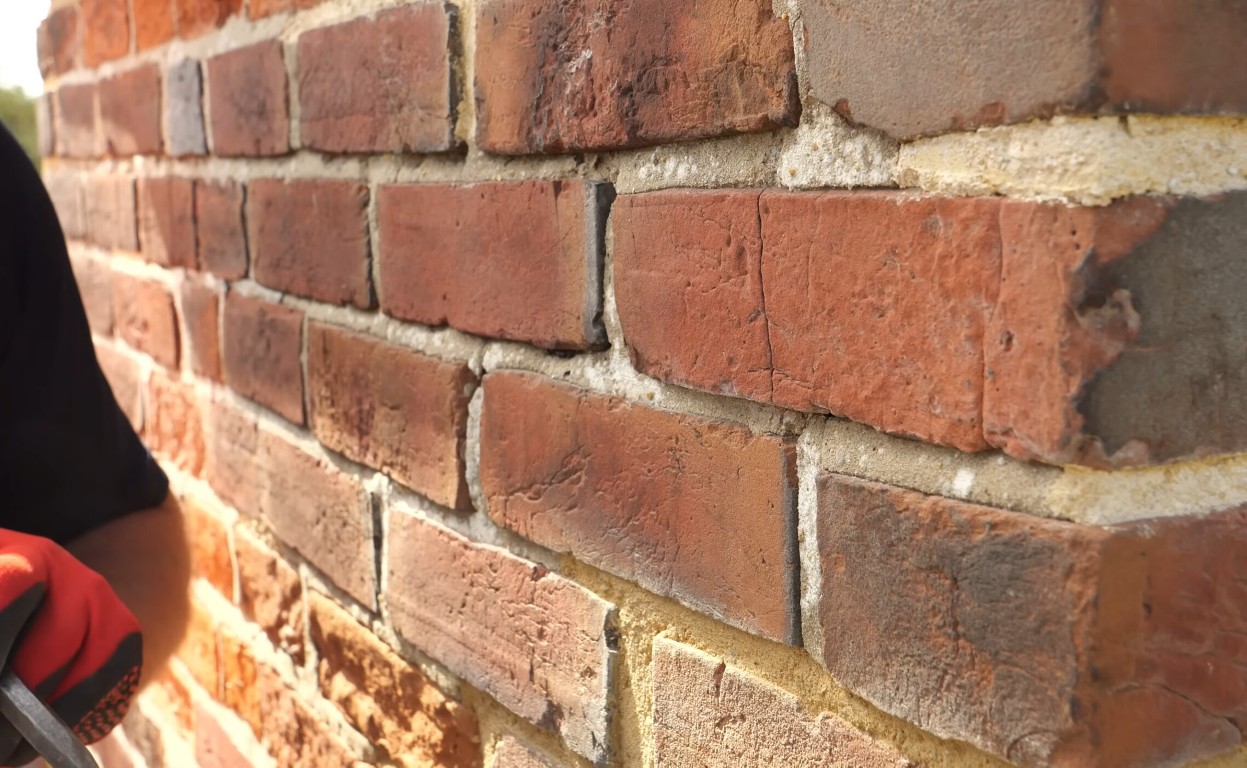
What's the Difference Between Tuckpointing and Repointing?
These terms confuse many homeowners, and even some contractors use them interchangeably. While they're related, they're actually different techniques. Understanding the difference helps you know what your home needs and what you're paying for.
Repointing Explained
Repointing is the process of removing damaged mortar from between bricks and replacing it with fresh mortar. Think of it as the standard repair method for deteriorated mortar joints. When professional masons repoint your brickwork, they grind out old mortar to a specific depth, clean the joints thoroughly, and pack in new mortar that matches the original.
This technique works for walls, chimneys, foundations, and any other mortared brick or stone structure. It's essential maintenance that prevents water damage and keeps your masonry strong. Most brick homes need repointing every 25 to 30 years, though Pomona's climate can accelerate deterioration.
Tuckpointing Basics
Tuckpointing is a more specialized technique that creates the illusion of very fine mortar joints. Masons fill joints with mortar that matches the brick color, then apply a thin line of contrasting mortar down the center. This decorative approach gives brickwork a crisp, refined appearance.
True tuckpointing is more common on historic buildings or high-end restorations. However, many people use the term "tuckpointing" when they really mean repointing. Don't worry about the terminology. What matters is getting deteriorated mortar replaced before it damages your bricks.
Why Your Mortar Joints Are Failing
Mortar doesn't last forever. It's actually designed to be weaker than the bricks it holds together. This design is intentional because mortar is easier and cheaper to replace than bricks. When stress affects your wall, you want the mortar to give way rather than the bricks cracking.
Common Causes of Mortar Damage
- •Water penetration that freezes and expands, cracking the mortar from inside
- •Age and weathering that naturally breaks down mortar over decades
- •Poor original mortar mix that was too weak or incorrectly proportioned
- •Ground settlement that stresses walls and cracks mortar joints
- •Previous repairs using wrong mortar types that are too hard
In Pomona, temperature changes stress mortar joints. Hot summer days expand materials, cool nights contract them. This constant movement gradually weakens mortar. Add occasional rain, and you've got perfect conditions for deterioration.
Once mortar starts failing, the process accelerates. Small cracks let water in. That water does more damage. Cracks grow bigger. Before you know it, chunks of mortar are falling out and bricks are loose. This is why we recommend addressing mortar problems as soon as you notice them.
How We Repoint Your Masonry
Quality repointing requires skill, patience, and the right materials. We don't take shortcuts because improper repointing can actually damage your bricks. Here's what proper repointing involves.
Step One: Careful Mortar Removal
We carefully grind out old mortar to a depth of about three-quarters of an inch. This gives new mortar enough room to bond properly. Removing mortar requires a delicate touch because aggressive grinding can chip brick edges. We use angle grinders with diamond blades for precision work.
After grinding, we clean out loose debris using wire brushes and compressed air. The joints must be completely clean for new mortar to bond correctly. Any dust or debris left behind weakens the new mortar's grip.
Step Two: Mortar Mixing and Matching
We analyze your existing mortar to determine its composition and color. Then we create a custom mortar mix that matches both. This matters more than you might think. Using mortar that's harder than your bricks will cause the bricks to crack instead of the mortar when stress occurs.
Historic homes require special attention. Old lime-based mortars need similar lime-based replacements, not modern Portland cement mortars. Using the wrong type damages old bricks. Our expertise in historic brick restoration means we get these details right.
Step Three: Proper Installation
Before applying new mortar, we wet the joints. This prevents bricks from sucking moisture out of the fresh mortar too quickly. Then we pack mortar firmly into the joints in layers, ensuring no air pockets remain.
Once mortar reaches the right consistency, we tool the joints to match your existing profile. This finishing step affects both appearance and water shedding. Properly tooled joints direct water away from the wall instead of letting it pool. After the mortar cures, we clean the brickwork and remove any mortar stains.
When Does Your Home Need Repointing?
Knowing when to schedule repointing saves you money and prevents bigger problems. Here are the warning signs that tell you it's time to call us.
Visual Indicators
Crumbling mortar is the most obvious sign. If you can scrape mortar out with a screwdriver or your finger, it's too soft. Mortar that's turned to powder or sand has lost its binding strength. Gaps between bricks where mortar has fallen out completely need immediate attention.
Cracks in mortar joints, even small ones, let water penetrate your walls. During your next rain, watch for water stains on interior walls or dampness in your basement. These signs indicate water is getting through damaged mortar and potentially causing hidden damage inside your walls.
The Simple Test
Here's an easy way to check your mortar's condition. Take a screwdriver and gently try to scrape a mortar joint. Healthy mortar should be hard and difficult to scratch. If the screwdriver easily penetrates the mortar or causes it to crumble, you need repointing.
Also check for white, chalky deposits on your bricks. This efflorescence indicates water is moving through your masonry, dissolving salts along the way. While efflorescence itself is mostly cosmetic, it signals that water is penetrating your walls through damaged mortar joints.
Don't Wait Too Long
The longer you wait, the more expensive repairs become. Water that gets into walls can damage wood framing, insulation, and electrical systems. It can also freeze and cause bricks to crack or spall. What starts as a simple repointing job can turn into extensive structural repairs if you delay too long. We offer free inspections where we assess your mortar's condition and give you honest recommendations about what needs fixing and when.
Frequently Asked Questions
Get a Free Repointing Estimate
Protect your home with professional tuckpointing and repointing services.
Call (909) 729-4093